PEARL FARM STORY

PEARL FARM STORY

TASAKI's Pearl Cultivation:
A Fusion of Innovation and Passion

TASAKI regards pearls as 'living jewels'. It is truly a miracle of nature that pearls can be created with unblemished beauty by oysters and humans without the need for polishing or shaping. To produce such precious gemstones, TASAKI makes every effort to culture pearls of the highest quality in the nutrient-rich waters off the coast of Japan.

OUR PEARL FARMS

Pearl Farms Growing
the Finest Pearls

Kujukushima (Nagasaki)

Kujukushima (Nagasaki)

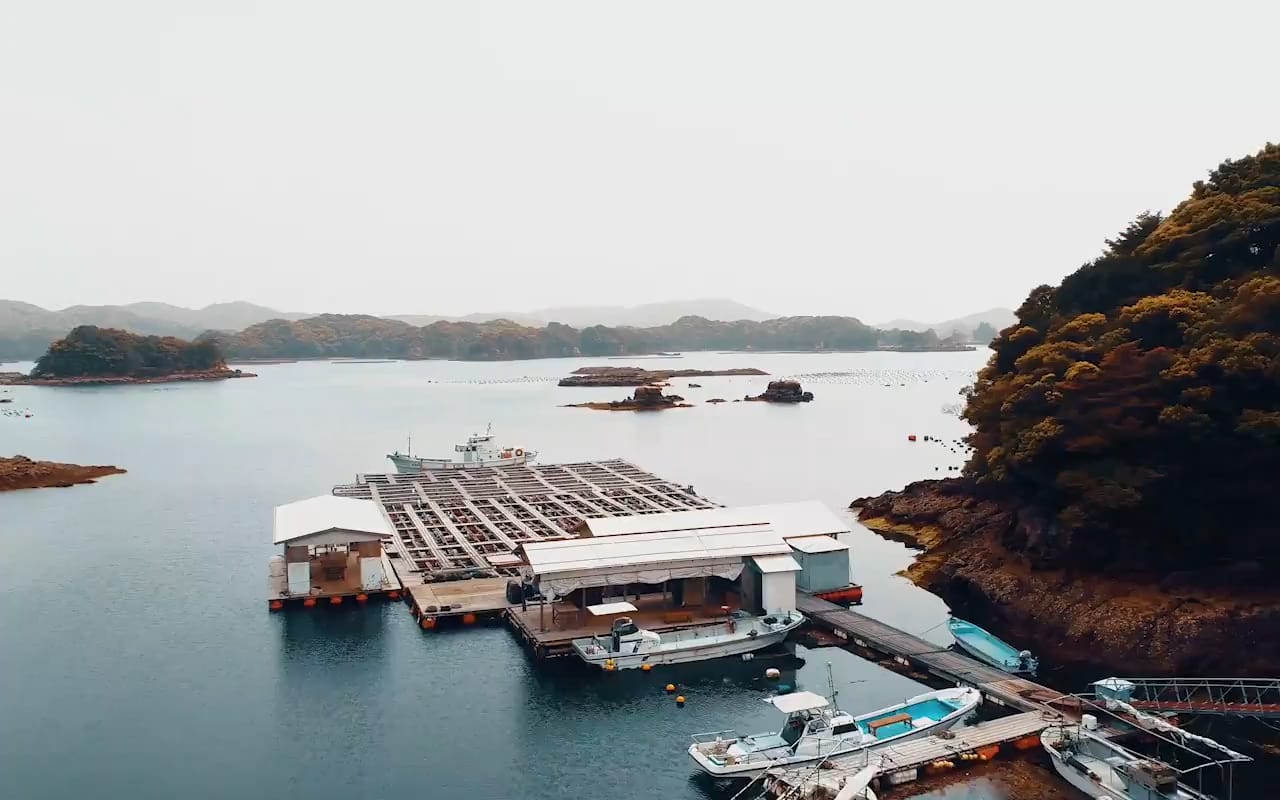
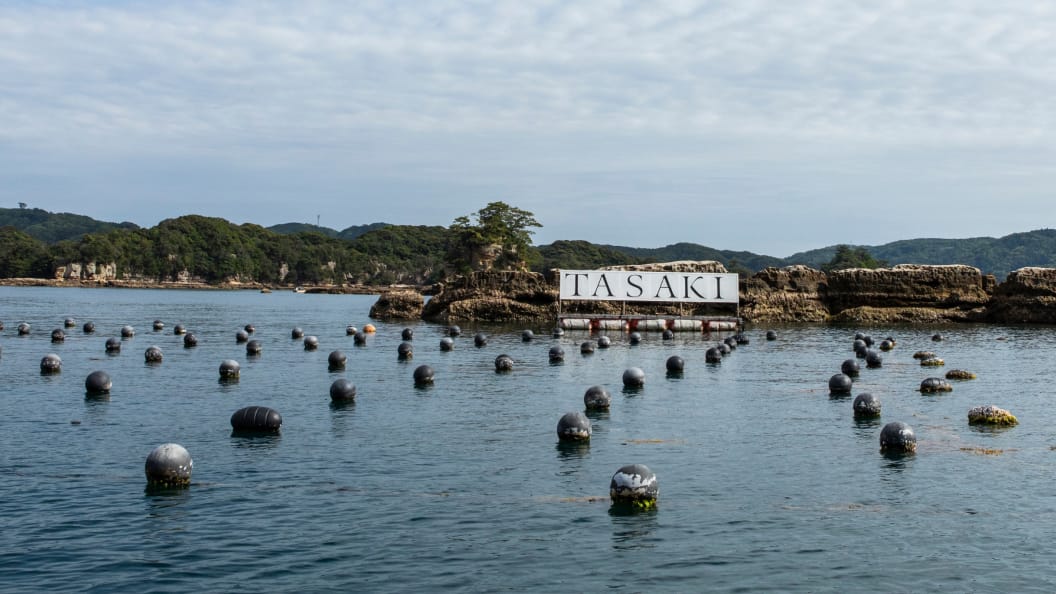
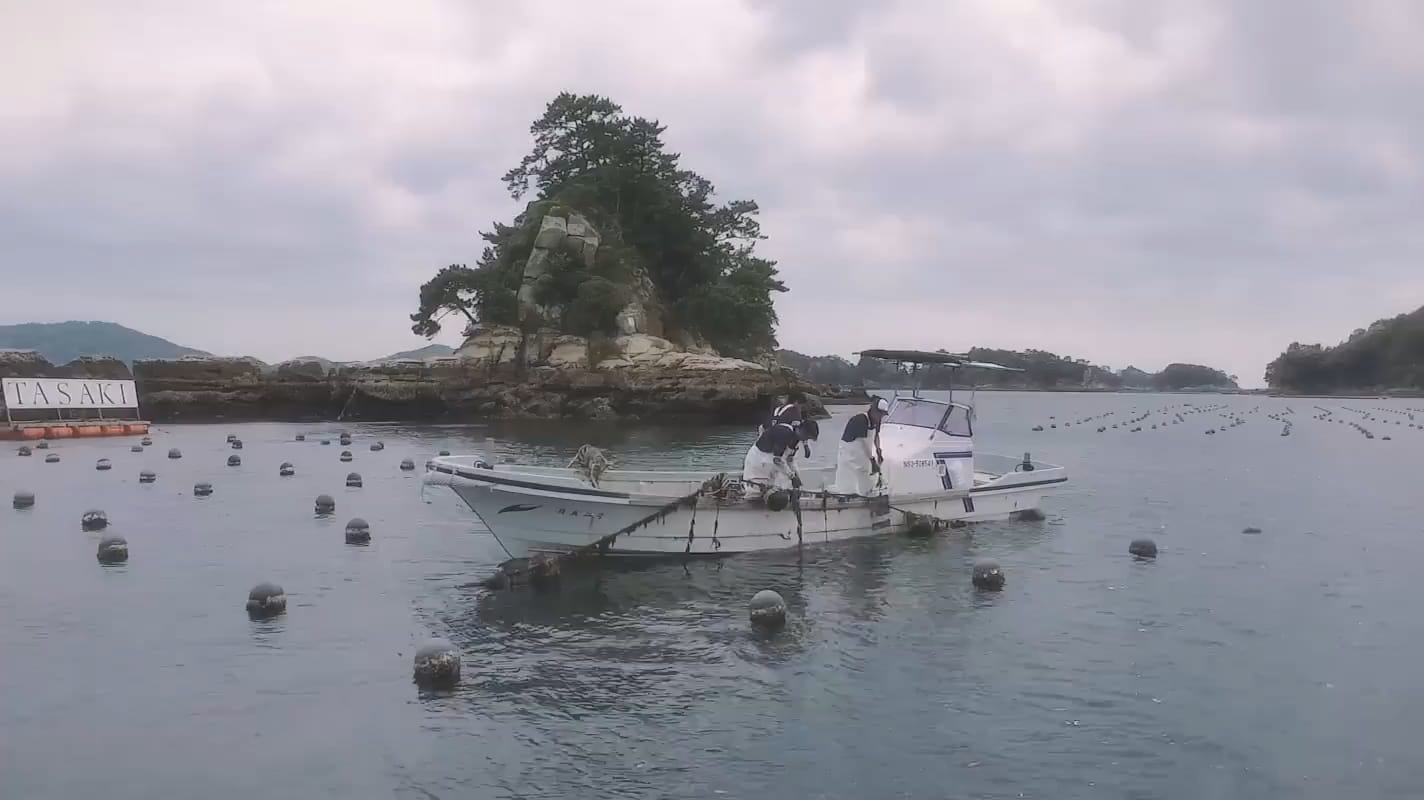
Established in 1979. At Kujukushima, a sanctuary of diverse marine life, we operate large-scale pearl cultivation facilities. This unspoilt environment, perfect for nurturing exquisite pearls, supports the growth of around one million oysters and nearly five million spats (young oysters) each year.
Ise-Shima (Mie)

Ise-Shima (Mie)

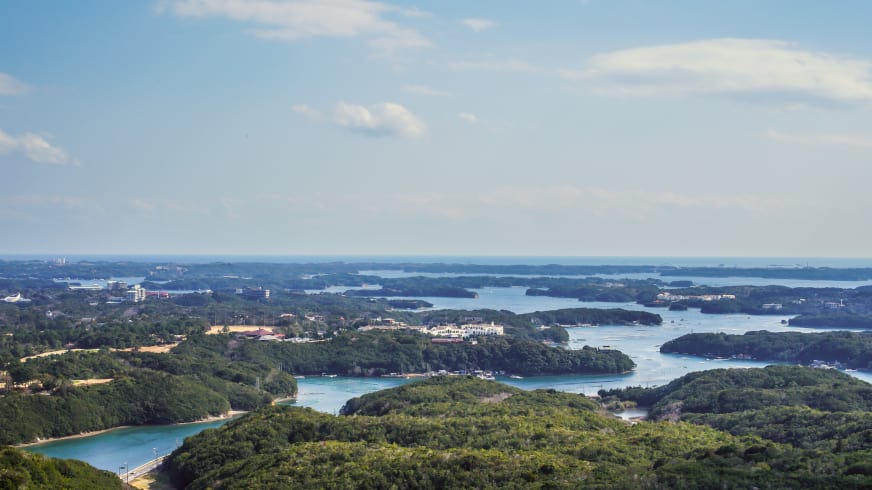
Established in 2016. Situated along a stunning Rias coast, where secluded coves and headlands provide an ideal setting for pearl farming, the Ise-Shima pearl farm cultivates approximately 170,000 to 180,000 oysters. Here, we culture rare baby pearls, mostly measuring three to four millimetres in size.
Uwajima (Ehime)

Uwajima (Ehime)

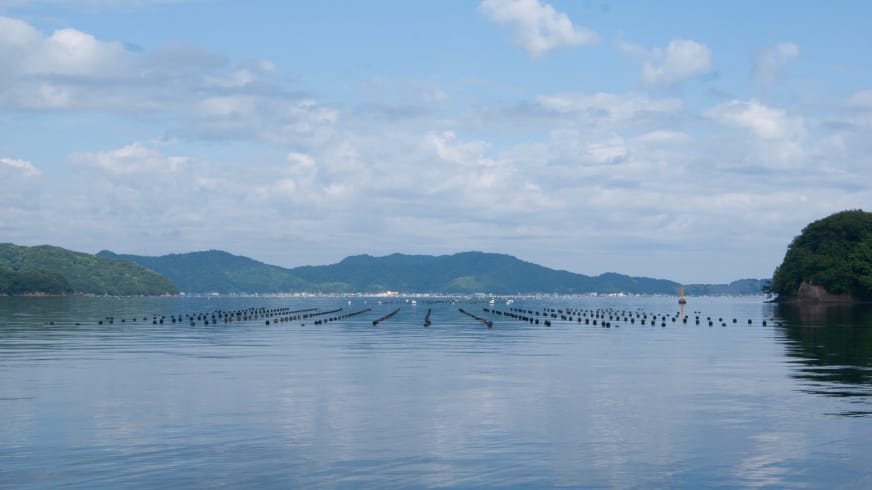
Established in 2024, Uwajima was chosen for its mild climate. The sheltered bays and deep inlets create ideal conditions for cultivating pearls over time. With a focus on two-year growth cycles from nucleus insertion, the farm is committed to continued innovation and excellence in pearl cultivation.

CULTURING PROCESS

Pearls from Birth to Completion

Birth of Young Spats
01

Birth of Young Spats

Birth of Young Spats
01

In-house Seeding - Nurturing Resilient and Exquisite Pearls

Using young spats born from mature Akoya oysters, we carefully nurture pearl-bearing oysters in dedicated tanks for approximately two months. Once they reach an optimal size of around two to five millimetres, they are transferred to rafts floating in the open sea to continue their growth. TASAKI's Akoya oysters produce pearls with the finest lustre, thanks to in-house technology developed over many years of research.

A Long Road to 'High Quality'
02

A Long Road to 'High Quality'

A Long Road to 'High Quality'
02

Activity Suppression - Lulling Oysters into a Deep Sleep

The artificially inseminated spats are periodically transferred to baskets with a wider weave as they grow, creating an environment conducive to further growth in the sea. In order to put the oysters into the optimum condition for the next stage of 'nuclei insertion', the oysters are lulled into a deep sleep after they have grown to a sufficient size. This phase, referred to as 'activity suppression', is a critical step in producing high-quality pearls. Over the course of approximately two years, beautiful mother oysters are nurtured through this series of activities.

Skill for Nurturing Sparkle
03

Skill for Nurturing Sparkle

Skill for Nurturing Sparkle
03

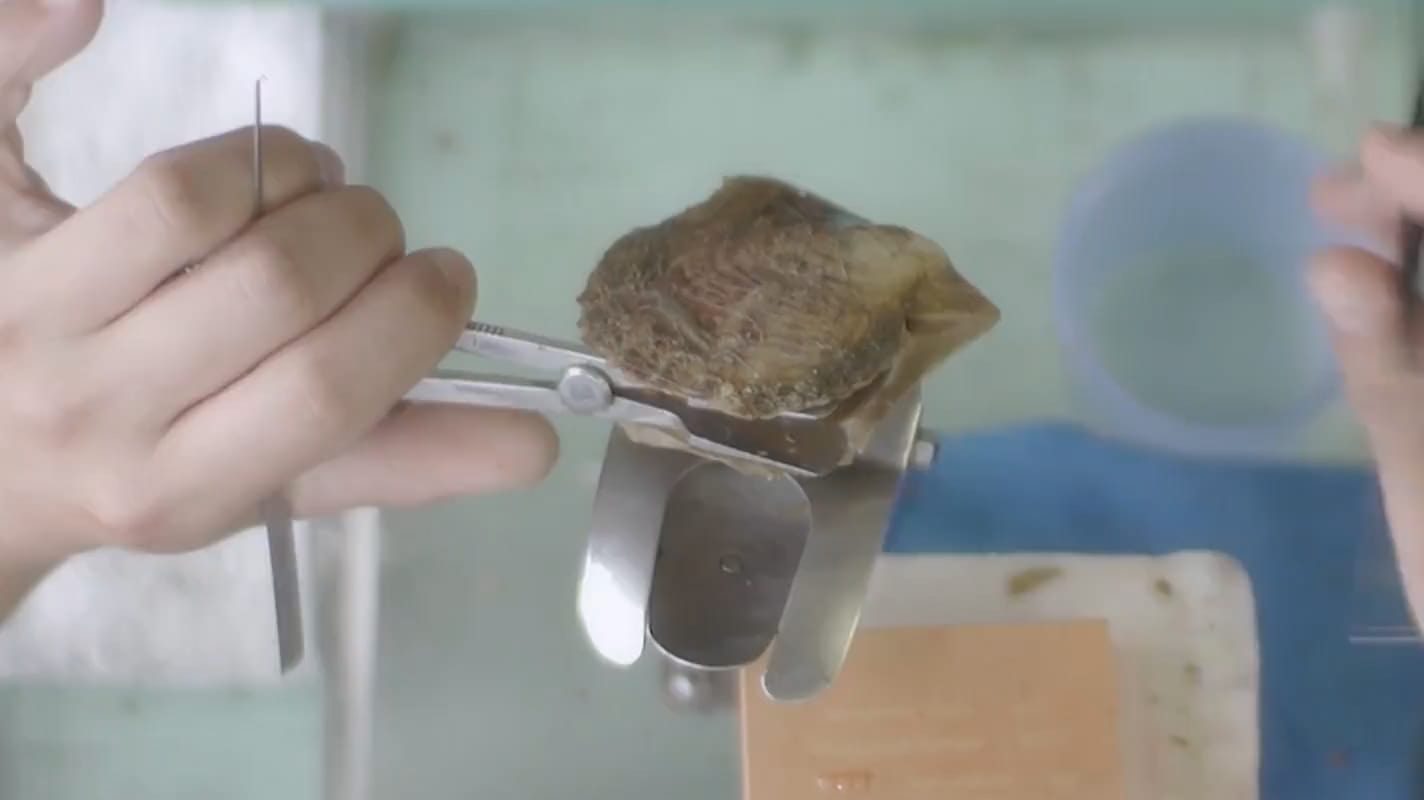
Nuclei Insertion - Where Craftsmanship Shines

A pearl is formed when layers of nacre build up around the nucleus—the core material of the mother oyster. The nucleus is a natural material sourced from the oyster itself. Known as 'nucleus insertion', this process requires special skill. It involves inserting a nucleus and cells taken from an Akoya oyster into the interior of a mother oyster. This process requires highly advanced skill and is an essential step in the cultivation of high-quality pearls.

Growth and
Return to the Ocean
04

Growth and <br>Return to the Ocean

Growth and
Return to the Ocean
04

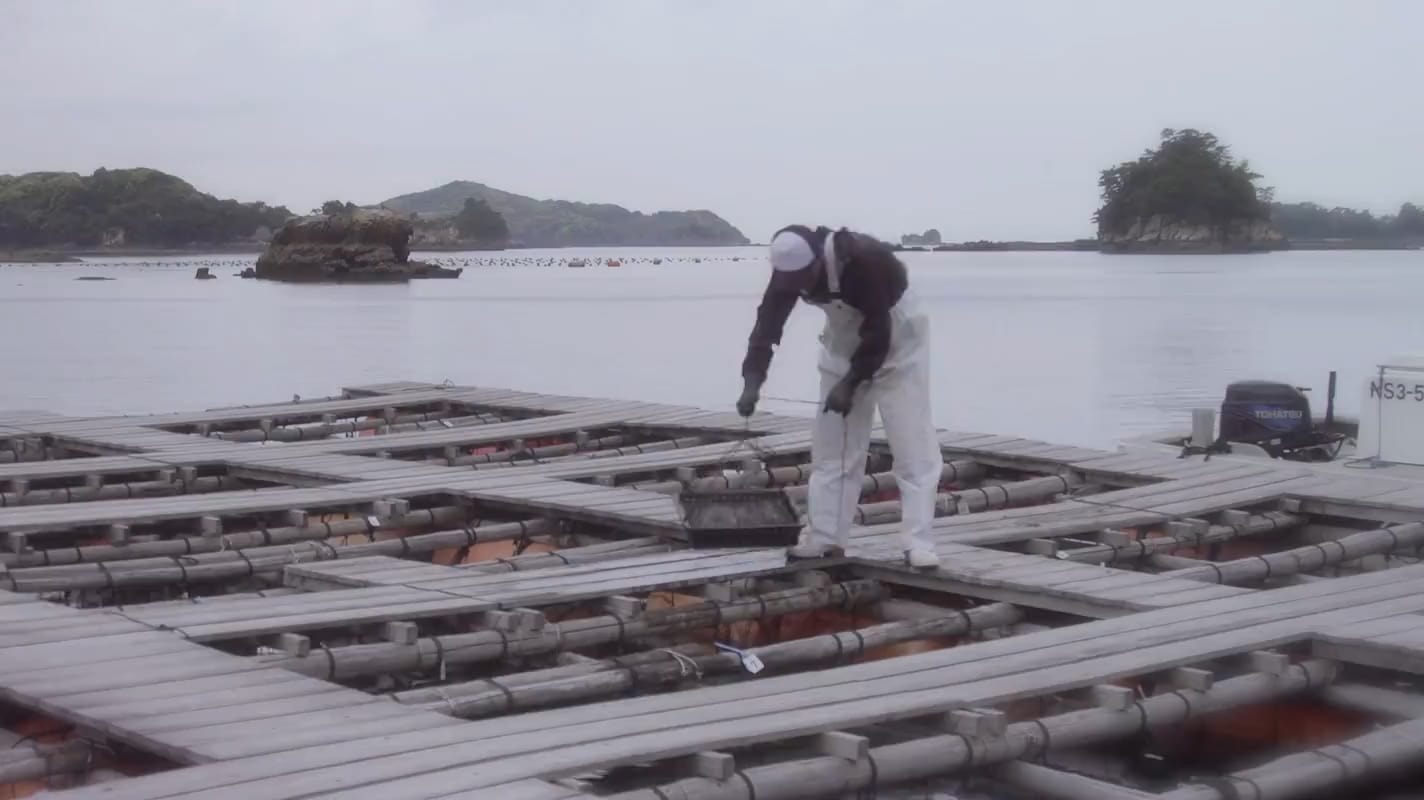
Recovery - A Precious Time for Mother Oyster and Pearl

The implanted mother oysters are delicately placed in baskets suspended from wooden rafts, and they are allowed to rest and recover in tranquil seas for a period of two weeks to a month. Following this 'recovery' phase, the mother oysters undergo 'offshoring', whereby they are transferred to waters with optimal sea temperatures and tidal currents, creating the ideal environment for both the mother oysters and pearls to continue their growth.

For Healthy Oysters
05

For Healthy Oysters

For Healthy Oysters
05

Nurturing Excellence for Superior Quality Pearls

When oysters are farmed in nutrient-rich sea waters, seaweed and other organisms that can hinder growth inevitably become attached. We regularly remove these organisms and move the oysters according to water temperature and weather conditions to avoid exposing them to stress. We conduct repeated adjustments while providing the best possible care to preserve a healthy environment for the mother oysters.

The Moment when
Pearls are Born
06

The Moment when <br>Pearls are Born

The Moment when
Pearls are Born
06

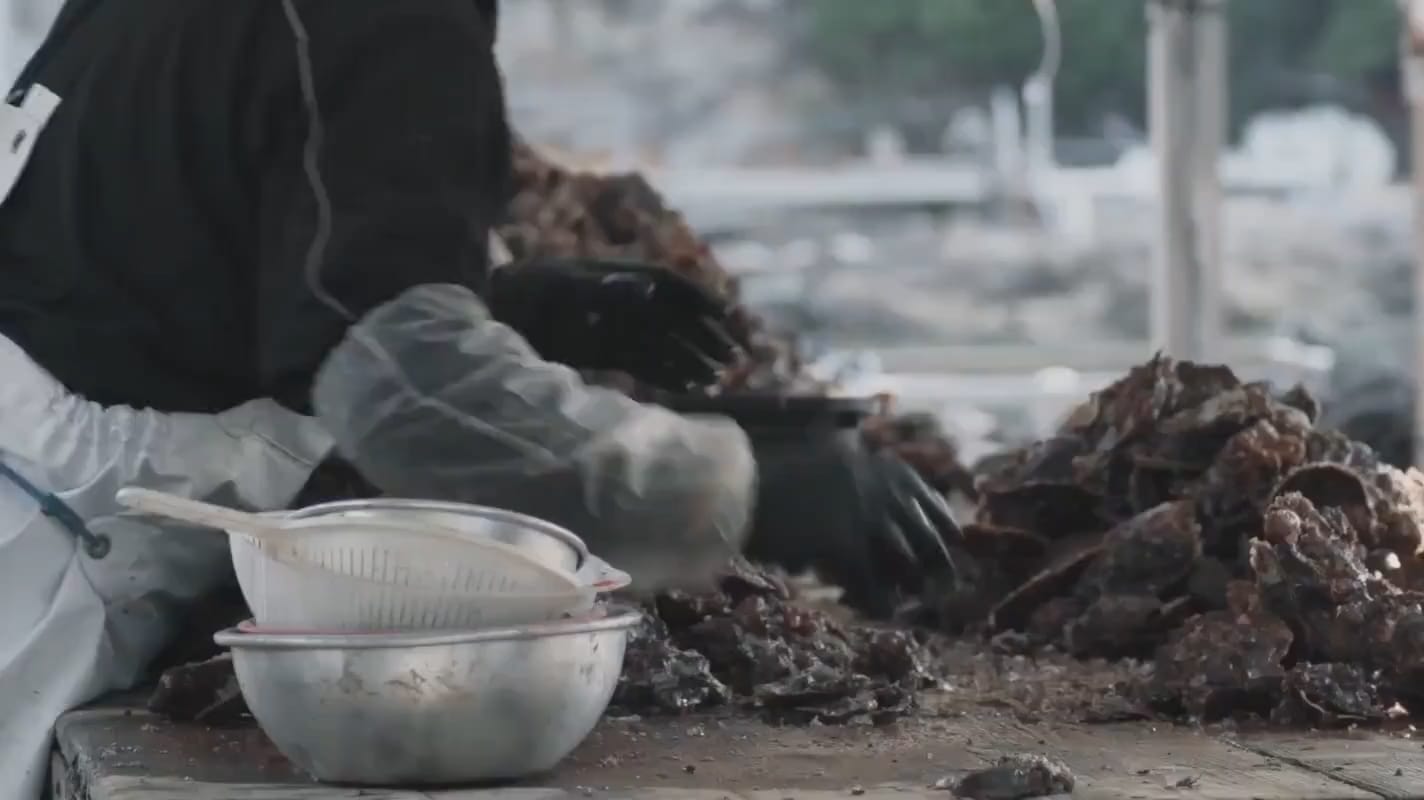
Harvesting of Meticulously Cultivated Pearls

After an extended period of cultivation, the pearls are extracted from the mother oysters during the 'harvesting' process. This occurs in winter, when a fine layer is formed on the surface of the pearls. Each pearl is carefully removed by hand. Pearls that take one year from nucleus insertion to 'harvesting' are known as 'current year's pearls', while those taking two years are referred to as 'koshimono'. In total, the entire process from the birth of young spats takes between three and four years. After harvesting, the pearls are graded according to quality.
ENVIRONMENTAL INITIATIVES

ENVIRONMENTAL INITIATIVES

TASAKI's Initiatives to
Preserve the Marine
Environment

TASAKI pearls are cultivated in nutrient-rich oceans teeming with diverse marine life. Since this vibrant marine ecosystem is intricately connected to the surrounding forests and mountains, TASAKI actively works to preserve the marine environment. Cultivating Akoya pearls that can withstand various environmental conditions is important for realising environmentally considerate aquaculture that protects nature. Based on this belief, TASAKI has conducted research on cultivating resilient Akoya pearls for many years.
Advancement in Phytoplankton Cultivation Technology

Advancement in Phytoplankton Cultivation Technology

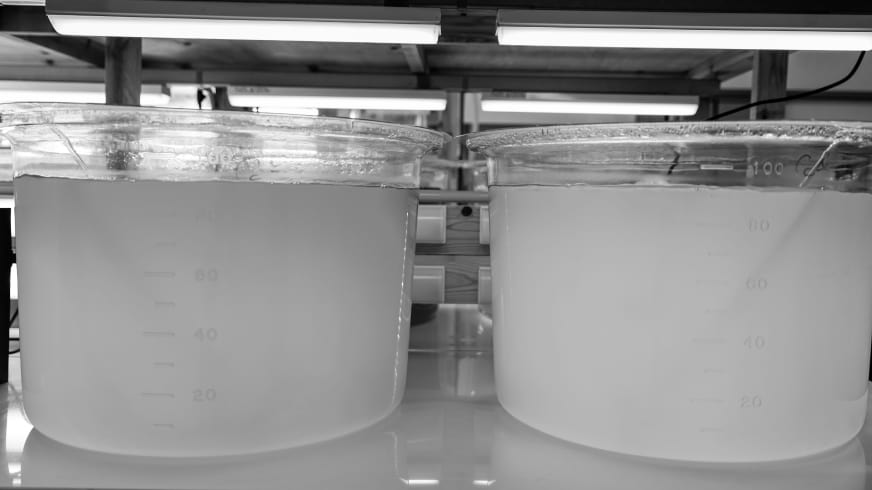
The TASAKI nursery has cultured its own specialised phytoplankton to nourish juvenile oysters. The use of LED lighting allows the phytoplankton to multiply more efficiently, ensuring a consistent and reliable food source, which in turn supports the steady supply of high-quality pearls. Additionally, thanks to the power-saving and long-life characteristics of LEDs, we can cultivate pearls at a lower cost and with minimal energy.
Pioneering Environmentally Resilient Varieties

Pioneering Environmentally Resilient Varieties

Against a backdrop of declining oxygen levels due to red tides, rising sea temperatures, and other environmental changes, TASAKI is focusing efforts on developing Akoya oysters that can adapt to various environments. As global warming progresses, we will continue to pursue the ideal of pearls as sustainable jewellery that protects nature.
These initiatives will help ensure the future of pearl farming and
realise coexistence with the beautiful ocean based on
the 'improvement of water quality through Akoya oysters'.
In doing so, we will also contribute to developing marine industries.